About
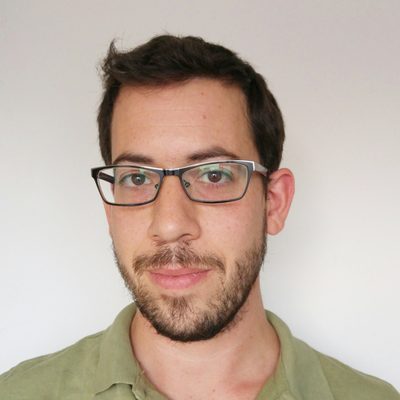
I'm Ori Koresh. I build the QA capability I used to sell as a report.
Independent consultant in Data Integrity, Computerized System Assurance and AI in GxP Quality for pharma, biotech, and medical-device organizations. My work sits at the intersection of two skills that rarely live in the same person: regulatory fluency and hands-on build capability.
I'm an independent regulatory consultant specializing in Data Integrity and AI-in-Quality for pharma, biotech, and medical-device companies. Most consultants in this space bring one half of what a QA organization actually needs. Either they know the regulatory language, ALCOA+, Annex 11, GAMP 5, CSA, 21 CFR Part 11, MHRA guidance, and stop at a recommendations deck. Or they can build software but treat "compliant" as someone else's problem to solve later.
I do both halves myself. I can read a deviation trend the way a QA reviewer does, and I can design, build, and validate the AI agent that scans for it. That combination is the reason my engagements end differently than a typical consulting project: the goal is not a report you file away, it's a capability your team runs on its own once I'm gone. An asset you own, not a dependency you rent.
Background
Nine years at PQE Group, a global GxP consultancy: CSV consultant (2016), CSV project manager, Israel operations manager, General Manager Israel (2020 to 2022), Global Innovation Director (2022 to 2025). In those roles I delivered data integrity programs, computerized system validation for ERP, MES, LIMS, chromatography data systems and quality management systems, IT infrastructure qualification, supplier and internal audits, and training, for pharma, biotech and medical-device clients through FDA, EMA and Israel Ministry of Health inspections. PhD, Ben-Gurion University of the Negev. Founded KOR Consulting in 2025.
Where This Comes From
Built on real engagements, not theory
I don't publish client names or engagement metrics. What I can tell you is where the frameworks and judgment behind my work actually came from.
- I've worked with a pharma manufacturing client for roughly ten years. That relationship gave me the operating context most consultants only see from the outside: how a real quality system behaves under audit pressure, headcount limits, and shifting guidance, over a long enough period to see the patterns repeat.
- The 5-Stage Automation Model that anchors my Approach page did not start as a slide. It grew out of a QA automation proof-of-concept I built with that same client, inside their existing validation framework, working through the practical constraints of getting an agent into real, auditable use.
- Medical-device quality system work under 21 CFR Part 820, now the QMSR harmonised with ISO 13485:2016: CAPA and complaints, software validation, inspection preparation.
- I've also advised medtech startups on go-to-market strategy, helping early teams think through fundraising milestones and market sizing at a stage when regulatory and commercial planning still need to move together.
How I Work
A few things that don't change between engagements
-
I'm honest about constraints
If a timeline is unrealistic, or a validation approach won't hold up in an audit, I say so before you spend the budget, not after. I would rather lose a piece of scope than let a client walk into a gap I could see coming.
-
Numbers are real or they don't appear
I don't use invented statistics to make a page sound more persuasive. If I don't have a real, anonymization-safe number, I say "based on my experience" instead of reaching for a figure that sounds better.
-
I build capabilities, not reports
Every engagement is structured so the finished asset, a validated workflow, a governance framework, an agent your team can run, stays inside your organization. My measure of a good engagement is how little you need me the following year.
-
Drafts are labeled as drafts
The Annex 11 revision and Annex 22 are consultation drafts, not law. I cite the in-force text, name the draft as a draft, and never present a direction as a requirement.
Want to talk about where your QA organization stands?
Book a discovery call. We'll map where manual review is costing you the most, and whether CSV/CSA, AI governance, or an AI tool assessment is the right place to start.
Book a discovery call